Back to All Guidelines
Official Dream Riders Expedition Protocol

Introduction

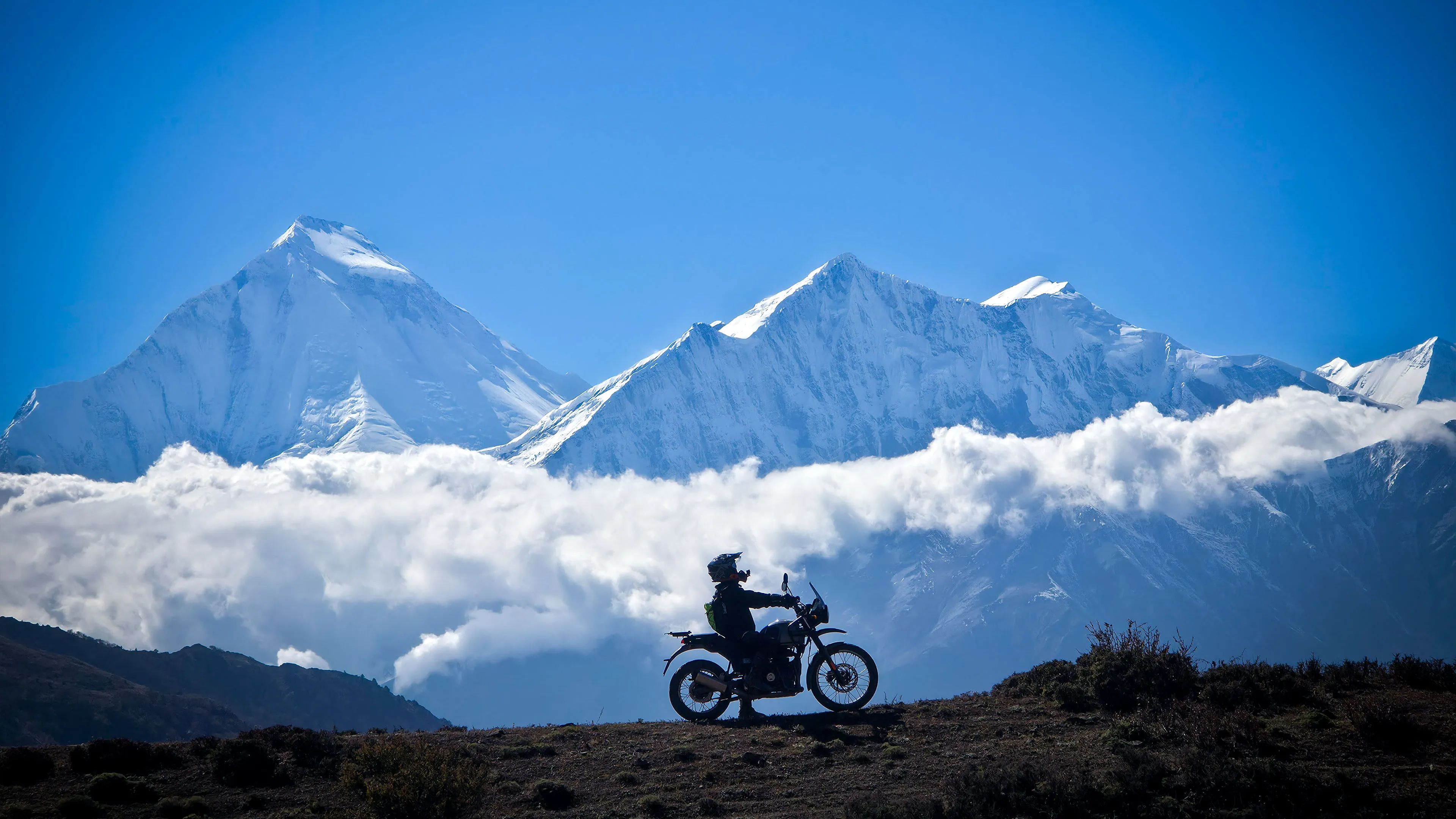
Nepal is a unique motorcycle destination where Himalayan landscapes, remote mountain villages, ancient culture and rugged roads come together. Riding in Nepal can take you from paved roads to rough and rocky trails, steep climbs, river crossings and high-altitude sections. Good preparation and the ability to adapt to changing road conditions are important for riders travelling through the mountains.

Before starting your Nepal Motorcycle Tour, make sure you have the required travel and riding documents, suitable insurance and proper motorcycle riding gear. Riders should also understand the permit requirements for restricted areas and follow local regulations when travelling through protected and controlled regions. Upper Mustang, for example, has specific permit requirements in addition to the applicable conservation-area requirements.

Nepal is also a country of diverse religious and cultural traditions. Respecting monasteries, temples, pilgrimage sites and local communities is an important part of responsible travel. Being prepared for mountain conditions, following your tour team's instructions and respecting local customs will help you experience Nepal responsibly.
Nepal Travel Do’s

CRUCIAL DO'S
Secure required trekking and entry permits (TIMS, ACAP, National Park permits) before riding into conservation areas.
Carry your valid passport, driving licence, recognised International Driving Permit (IDP) and other required travel documents. Nepal Police states that an International Driving Licence permits driving throughout Nepal.
Circumambulate Buddhist stupas (such as Boudhanath and Swayambhunath) in a clockwise direction.
If you are travelling on your own motorcycle, make sure the motorcycle is properly serviced and suitable for Nepal's mountain terrain, and carry the required registration, insurance and other vehicle documents before entering Nepal.
Check motorcycle clutch cables, suspension, and brakes daily to handle steep gravel ascents and descents.
Be prepared for rough, rocky and off-road sections, steep climbs and river crossings. Maintain controlled speed and use appropriate riding technique instead of relying only on engine power on difficult terrain.
Carry sufficient Nepalese currency in cash as digital payment terminals are rare in remote mountain lodges.
Check weather and road conditions before heading into remote mountain areas. Heavy rain can affect mountain roads, while landslides, water crossings and changing trail conditions can make some sections difficult to pass.
Follow all permit and checkpoint requirements when travelling towards restricted areas. Upper Mustang requires the applicable ACAP and Restricted Area Permit, and riders should carry the required permits during the journey.
Remove your shoes where required and dress respectfully when entering temples, monasteries and homes. At temples and stupas, follow local customs such as walking clockwise where applicable.
Ask permission before photographing local people, religious ceremonies or culturally sensitive places. Some religious sites have specific photography restrictions; for example, photography is strictly prohibited inside Pashupatinath Temple.
Carry some Nepalese Rupees during the journey, especially when travelling through remote mountain areas where access to ATMs or card payments may be limited.

Travel Don’ts

STRICT DON'TS
Do not ride at high speeds on unpaved gravel tracks with loose river stones and sudden dust ruts.
Do not ride after consuming alcohol. Avoid riding when your concentration or reaction time may be affected, particularly on demanding mountain roads.
Do not point your feet toward Buddha statues, monks, or elders while seated in monasteries or local homes.
Do not attempt a river crossing, steep climb or rough off-road section when the conditions are unsafe. Wait for guidance from the Tour Guide or support team rather than taking unnecessary risks.
Do not ride through national wildlife corridors after sunset to protect endangered rhinos and leopards.
Do not continue towards a mountain route when heavy rain, landslides, flooding or other local conditions make the road unsafe. Follow instructions from the tour team and local authorities.
Do not leave any single-use plastic or trash along pristine Himalayan rivers and trails.
Do not enter restricted areas, protected regions or controlled routes without the required permits and authorisation. Do not ignore instructions given at checkpoints or by local authorities.
Do not touch religious objects, enter restricted temple areas, photograph prohibited areas or behave disrespectfully at sacred places. Follow the customs and instructions applicable to each religious site.