Back to All Guidelines
Official Dream Riders Expedition Protocol

Introduction

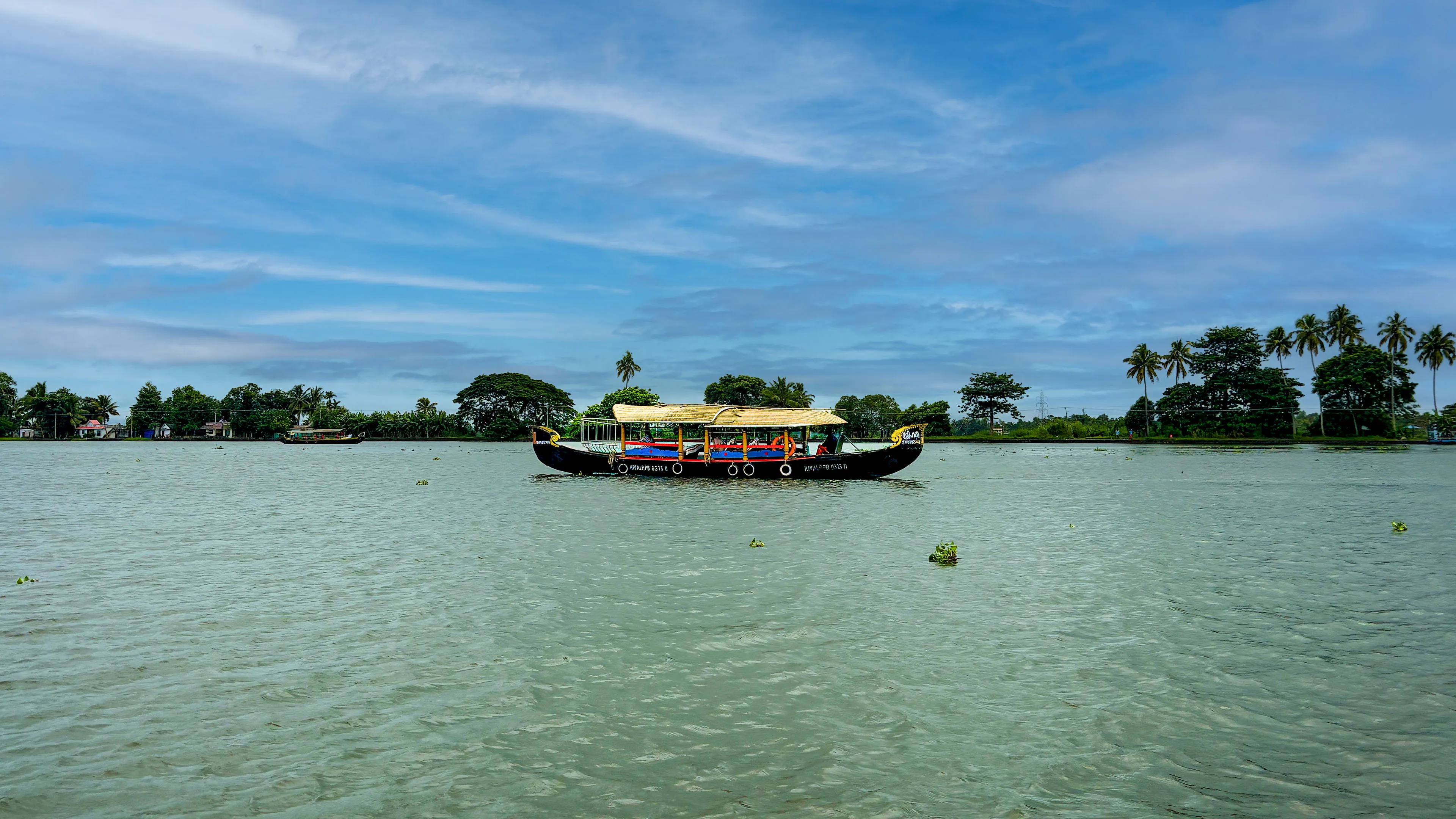
South India is a diverse motorcycle destination where coastal roads, Western Ghats, tea and spice plantations, forest stretches, historic towns and traditional villages come together. Riding through the region means experiencing changing road conditions, busy urban traffic, winding hill roads and quieter rural routes. Good preparation, controlled riding and awareness of local traffic are important throughout the journey.

Before starting your South India Motorcycle Tour, make sure you have the required travel and riding documents, suitable motorcycle gear and appropriate travel insurance. Riders should also be prepared for tropical weather, sudden rain and changing conditions in the hill regions. Traffic can become busy around cities and towns, while mountain roads require extra attention at bends, descents and narrow sections.

South India is also rich in religious traditions, local communities, wildlife and cultural heritage. Respecting temples, protected areas and local customs is an important part of responsible travel. Following your tour team's instructions and adapting your riding to the road and weather conditions will help you experience South India safely and responsibly.
South India Travel Do’s

CRUCIAL DO'S
Check the weather and local road conditions before riding through hill and forest areas. Heavy rain can reduce visibility and make roads slippery, while changing conditions may affect some mountain sections.
Carry your valid passport, driving licence, IDP where required and other necessary travel documents throughout the journey. International riders should also carry the documents required for motorcycle riding in India.
Follow the Tour Guide, Tour Manager and support team's instructions during riding days, especially when travelling through forest areas, busy towns, hill roads or sections affected by weather and local traffic conditions.
Make sure your motorcycle is properly serviced before the journey and check the brakes, tyres, lights, chain, fluids and other essential components, particularly before riding through the Western Ghats and longer coastal sections.
Respect temples, monasteries, churches and other religious or cultural sites. Dress appropriately, follow site-specific instructions and remove footwear where required before entering sacred areas.
Follow Indian traffic rules and remain alert around buses, trucks, motorcycles, auto-rickshaws, pedestrians and other road users. Take extra care at busy junctions, town entrances and narrow roads.
Maintain a safe distance from elephants and other wildlife when travelling near forest reserves and protected areas. Follow the instructions of guides and forest authorities and never attempt to approach or disturb animals.
Be prepared for winding hill roads, steep sections, wet surfaces and occasional rough patches, particularly in the Western Ghats. Maintain a controlled speed and use appropriate riding technique on descents and sharp bends.

Travel Don’ts

STRICT DON'TS
Do not ride aggressively on narrow mountain roads, sharp bends or steep descents. Maintain a controlled speed, stay within your lane and slow down before blind corners, especially in the Western Ghats.
Do not overtake carelessly or assume that other road users will follow the same riding pattern. Be particularly cautious around buses, trucks, tuk-tuks, motorcycles and pedestrians in busy areas.
Do not enter restricted forest areas, wildlife zones or protected locations without the required permission. Follow the instructions of forest officials, local authorities and site staff.
Do not approach, feed, chase or disturb wildlife. Avoid making loud noises or sudden movements near animals and maintain a safe distance during wildlife encounters.
Do not litter, damage vegetation or behave disrespectfully at temples, heritage sites, villages, beaches, forests or other cultural and natural attractions. Respect South India's environment, local communities and cultural heritage.